Blog >> Article Details

14 April, 2026
Production Line Belt Manufacturing Process in Modern Factories


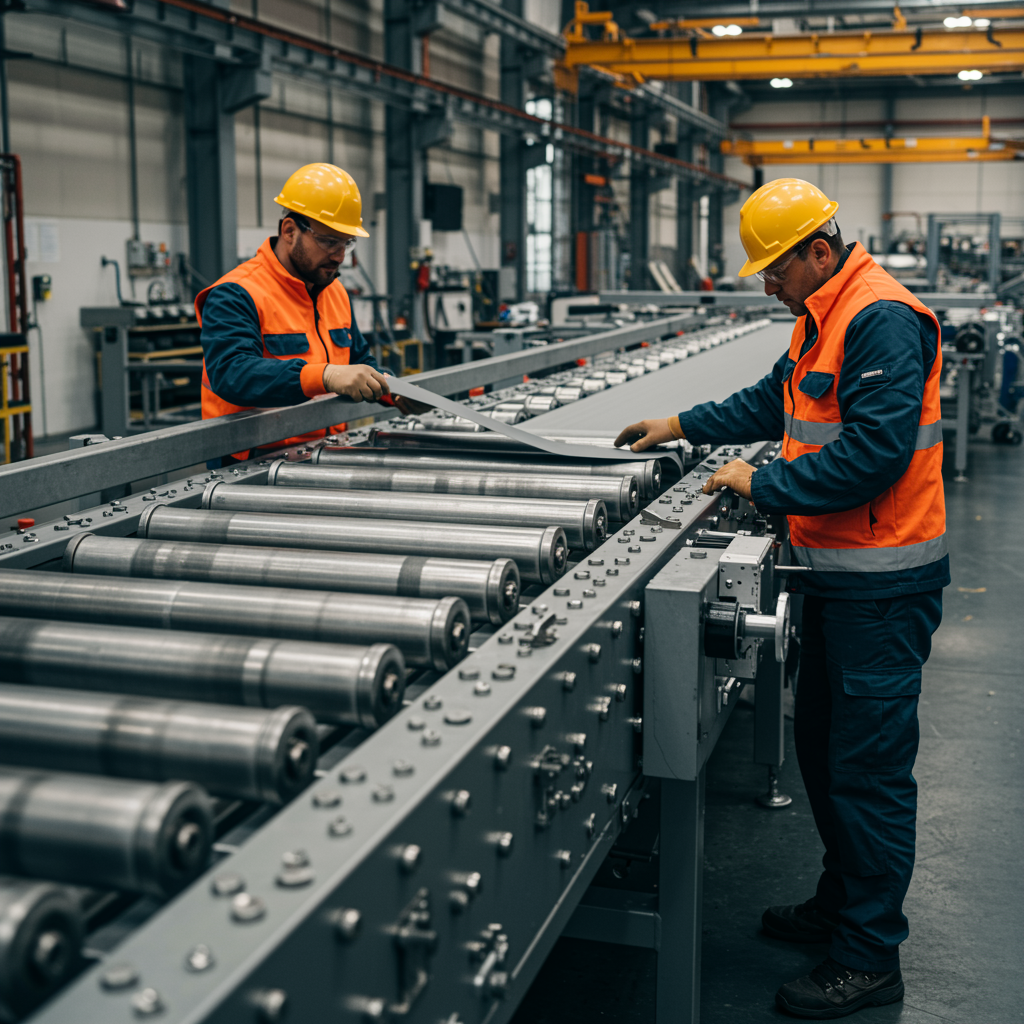
Manufacturing production line belts is one of the most critical elements that factories rely on to organize the movement of materials and products within production lines. Conveyor belts play a key role in improving efficiency, reducing waste, and accelerating industrial operations. With the advancement of industries and the growing need for more precise and flexible material handling systems, using custom-designed conveyor belts has become essential for achieving optimal performance.
Manufacturing conveyor belts is not limited to producing a simple belt; it involves designing a complete system that matches the product type, working environment, production speed, and available space within the factory. Therefore, selecting the right conveyor solution begins with a clear understanding of production needs, followed by implementing a high-quality, tailored system.
What Does Manufacturing Production Line Belts Mean?
Manufacturing production line belts refers to the process of designing and producing conveyor belts and their related components to transport materials or products efficiently between different stages of production.
This process includes:
- Selecting the appropriate belt type
- Determining dimensions such as length and width
- Defining operating speed
- Designing the supporting structure (frame)
- Choosing mechanical components such as rollers and motors
- Implementing a system tailored to operational requirements
Each production line requires a customized conveyor design, as different factories have unique needs based on product type, weight, and handling method.
Why Is Conveyor Belt Manufacturing Essential for Production Lines?
The efficiency of any production line depends heavily on the quality of its internal material handling system. Without properly designed conveyor belts, production may face delays, inefficiencies, and increased waste.
Key benefits of professional manufacturing production line belts include:
Improved Operational Efficiency
Well-designed conveyor systems ensure smooth material flow between production stages, reducing downtime and increasing productivity.
Reduced Manual Labor
Efficient conveyor systems minimize manual handling, saving time and effort while reducing human error.
Reduced Product Damage and Waste
Belts designed according to product characteristics help prevent damage during transportation, especially for sensitive items.
Organized Workflow
Conveyor systems help streamline operations within the factory, making processes more structured and easier to manage.
Types of Conveyor Belts Used in Production Lines
The type of conveyor belt varies depending on the industry and application. Common types used in manufacturing production line belts include:
PVC / PU Belts
Widely used in food processing and packaging industries due to their smooth surface and ease of cleaning.
Rubber Belts
Used in heavy industries for transporting bulk materials and heavy loads.
Modular Belts
Suitable for applications that require flexibility in design and easy maintenance.
Wire Mesh Belts
Ideal for high-temperature environments or processes requiring ventilation, such as industrial ovens.
Custom Conveyor Belts
In some cases, conveyor systems are fully customized to match specific factory needs.
How Are Production Line Belts Manufactured?
The manufacturing process involves several stages to ensure optimal performance:
1. Needs Assessment
Analyzing product type, operating conditions, production speed, and available space.
2. System Design
Planning the conveyor layout, loading/unloading points, and selecting appropriate components.
3. Material Selection
Choosing the right belt type (PVC, rubber, modular, etc.) and structural materials.
4. Manufacturing and Assembly
Producing and assembling mechanical and structural components.
5. Installation and Commissioning
Installing the system and ensuring proper alignment and operation.
6. Testing and Delivery
Testing the system to confirm efficiency before final delivery.
How to Choose the Right Company for Manufacturing Conveyor Belts?
Choosing the right partner is crucial to ensure system quality and performance:
Industry Experience
Experienced companies are better equipped to understand factory needs and deliver effective solutions.
Manufacturing Quality
High-quality materials and precision engineering ensure durability and performance.
Customization Capability
Every factory is different, so the ability to provide tailored solutions is essential.
After-Sales Support
Reliable maintenance and technical support are critical to avoid downtime.
Timely Delivery
Meeting project deadlines is essential to maintain production schedules.
Common Mistakes When Manufacturing or Selecting Conveyor Belts
Focusing Only on Price
Choosing the cheapest option can lead to poor performance and higher long-term costs.
Lack of Proper Needs Analysis
Selecting an unsuitable system reduces efficiency and increases breakdowns.
Ignoring Operating Conditions
Environmental factors such as temperature and humidity must be considered.
Neglecting Maintenance
Lack of regular maintenance reduces system lifespan and increases failures.
When Should You Upgrade or Replace Conveyor Belts?
- Slow production flow
- Frequent breakdowns
- Increased waste
- Operational difficulties
- Limited scalability


